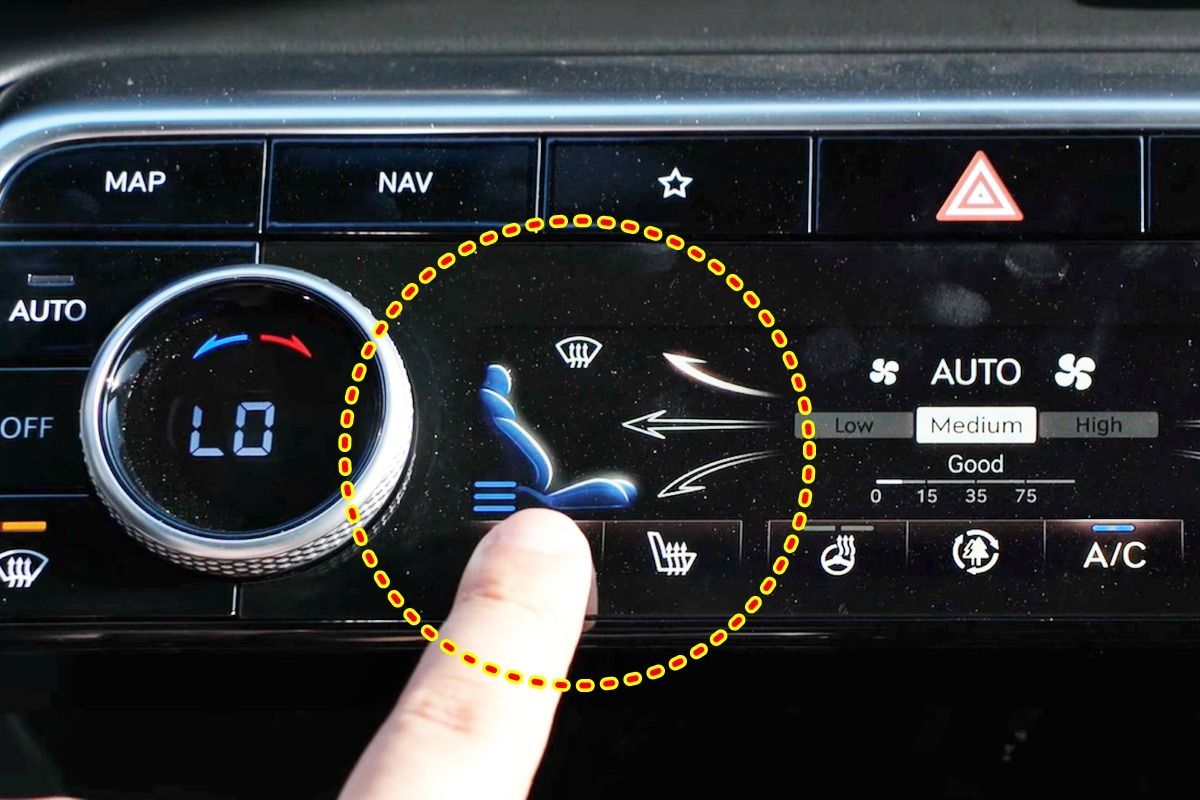
[Courtesy of Newautopost] Most drivers assume the owner’s manual covers everything they need to know about their car. In many cases, that’s true. Manuals usually explain not just basic operation, but also smaller features many people overlook. Taking the time to read it can help you get more value out of a vehicle that likely cost tens of thousands of dollars. That said, there are still some useful inspection and troubleshooting tips that never make it into the manual. Many of these are simple enough for the average driver to use. Some people in the auto industry believe certain procedures aren’t widely shared because dealership service visits are a major source of revenue. Regardless of the reason, knowing a few extra checks can potentially save you time and diagnostic costs.
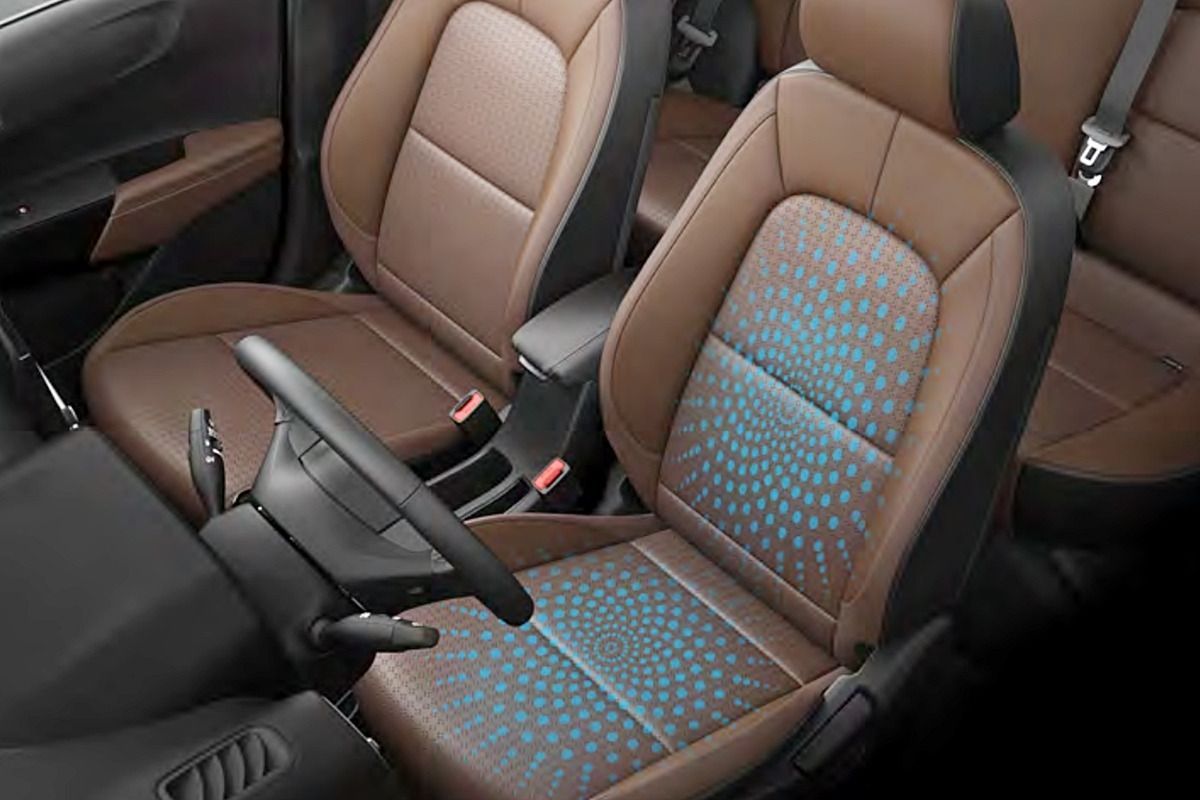
[Courtesy of Kia] Hyundai and Kia Self-Diagnosis Mode – Check Certain Issues Without a Scan Tool One real-world example involves ventilated seats. In many newer vehicles, ventilated seats are either standard or optional, and once drivers get used to them—especially in hot climates—they’re hard to live without. If they suddenly stop working, most people immediately schedule a service appointment. But there’s a basic check worth trying first.
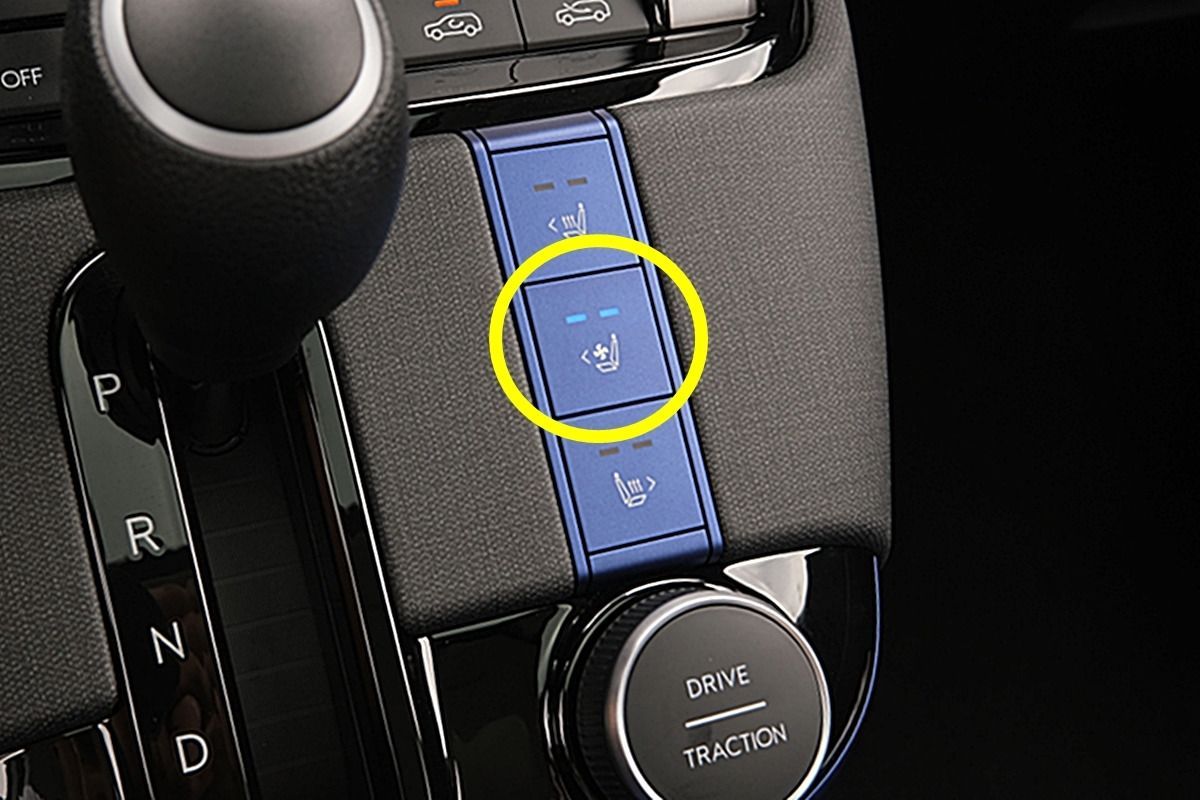
[Courtesy of Hyundai Motor Company] Some Hyundai and Kia vehicles include a built-in self-diagnosis mode that can help identify certain faults without plugging in a professional diagnostic scanner. By watching the blinking pattern of the center dashboard (center fascia) buttons—including the ventilated seat button—you may be able to tell if there’s a problem. To start, press the start button once without pressing the brake pedal. This puts the vehicle into Accessory (ACC) mode.
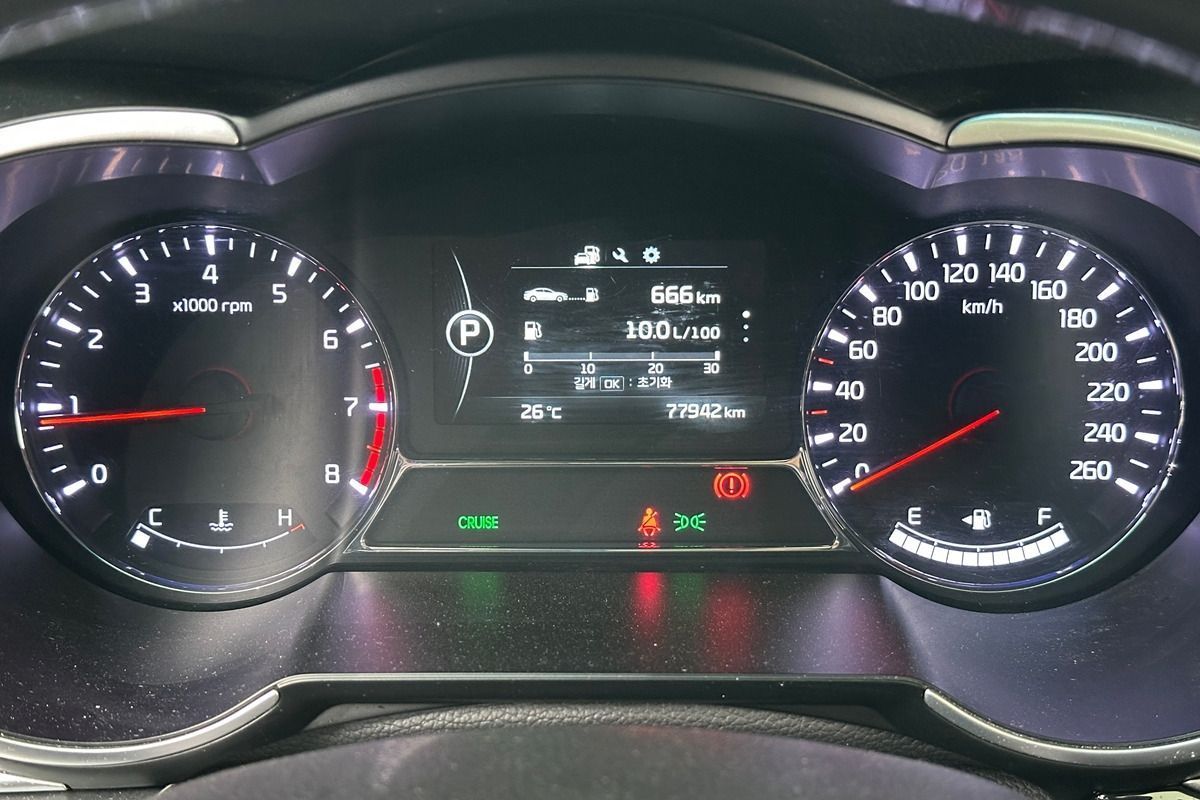
[Courtesy of Newautopost] If the Lights Blink, There May Be a Problem – Blink Patterns Can Point to Possible Causes Next, press and hold the ventilated seat or heated seat button for the seat you think has an issue. While holding it, press the start button again to switch the vehicle to ON mode. Hold the seat button for at least 2 seconds, release it, then press it two more times quickly within 5 seconds. If done correctly, diagnostic mode should activate.
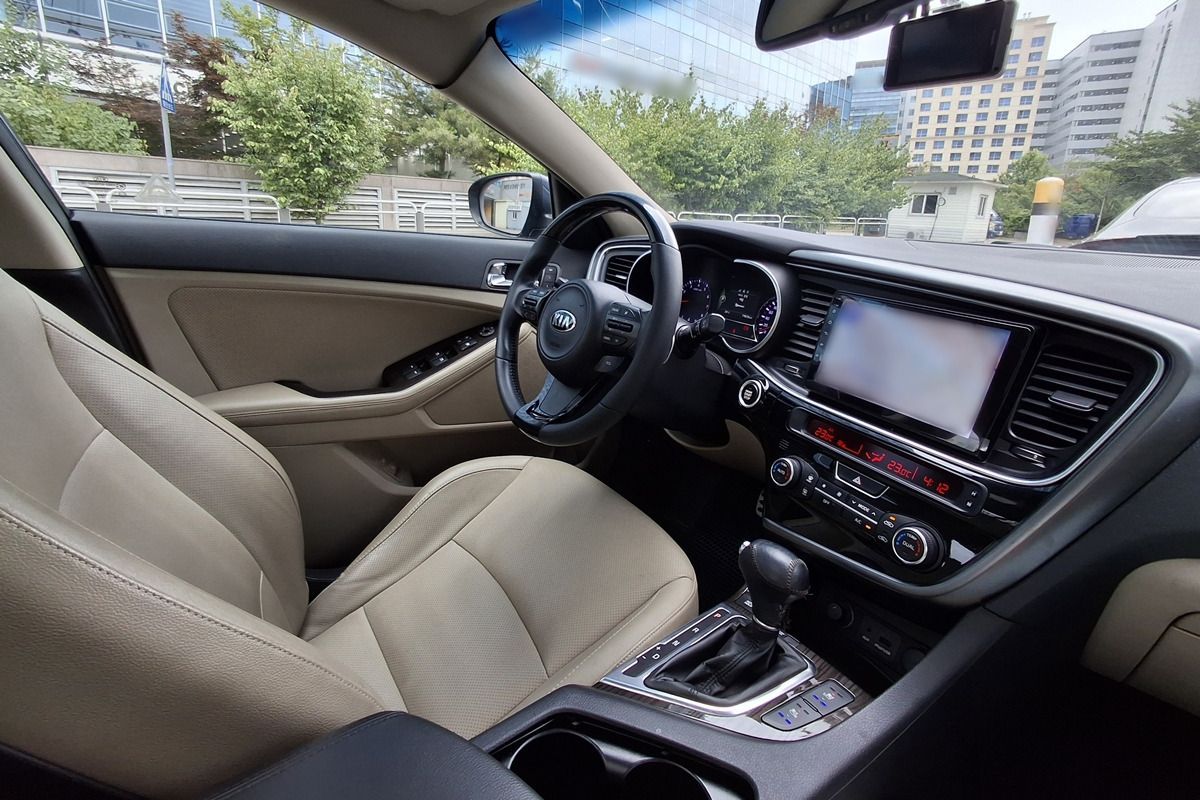
[Courtesy of Newautopost] Now watch the center dashboard buttons: if all LEDs turn on and off in sequence, the system is likely working normally, but if one specific button keeps blinking, there may be a fault. Common blink patterns may indicate a possible temperature control wiring issue with one blink, a possible blower motor power supply problem with two blinks, or a possible overload or short circuit with three blinks. This won’t replace a full professional diagnosis, but it can give you a general idea of what might be wrong before you schedule service.
[Courtesy of Newautopost] Why Isn’t This in the Manual? Not every Hyundai or Kia has this feature, so check your specific model first. Many models sold from the mid-2010s forward—such as the 3rd-generation Kia Sedona/Carnival, Sorento, and Hyundai Sonata (LF generation)—often include it. However, activation steps and fault codes can vary by model year and trim level.
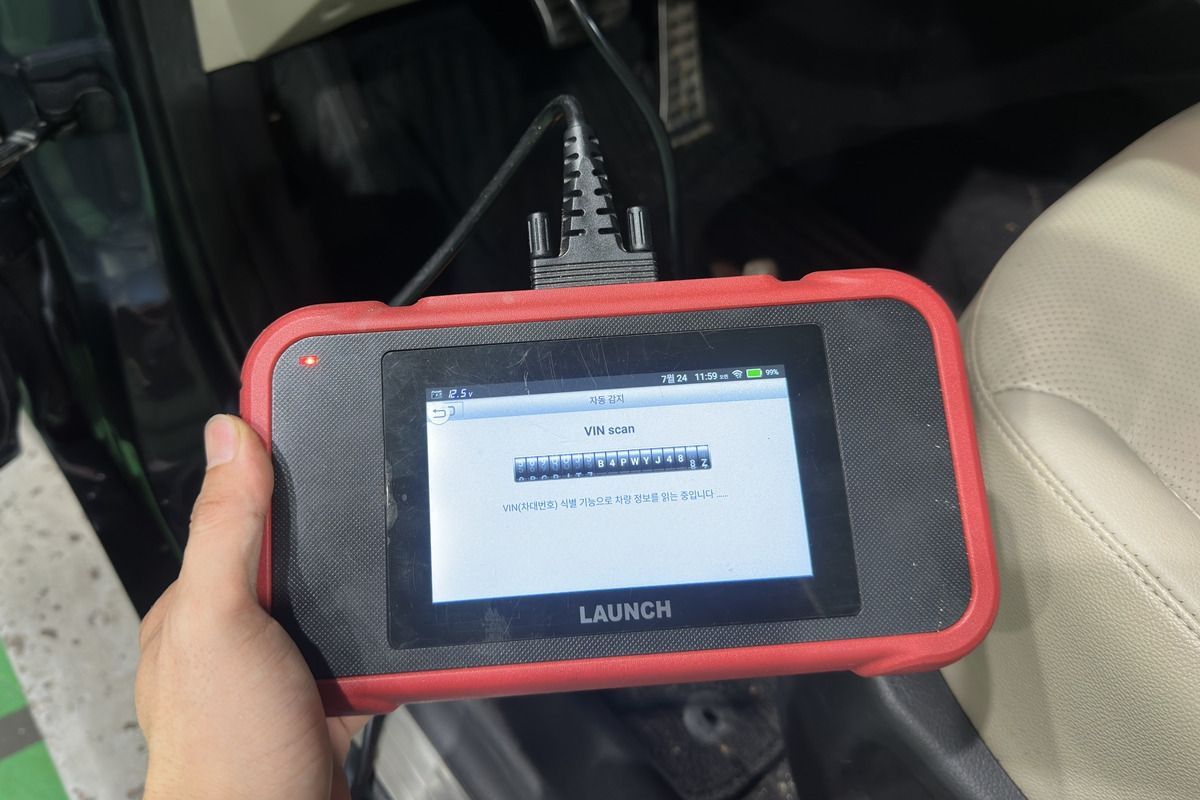
[Courtesy of Newautopost] Some industry observers believe detailed self-diagnosis entry steps aren’t widely published because dealership diagnostics are billable services. Even connecting a scan tool can involve a diagnostic fee. That said, if self-diagnosis mode doesn’t activate, or if you can’t clearly identify the issue, it’s best to schedule a service visit. Modern vehicles are complex, and guessing can lead to bigger problems later.